

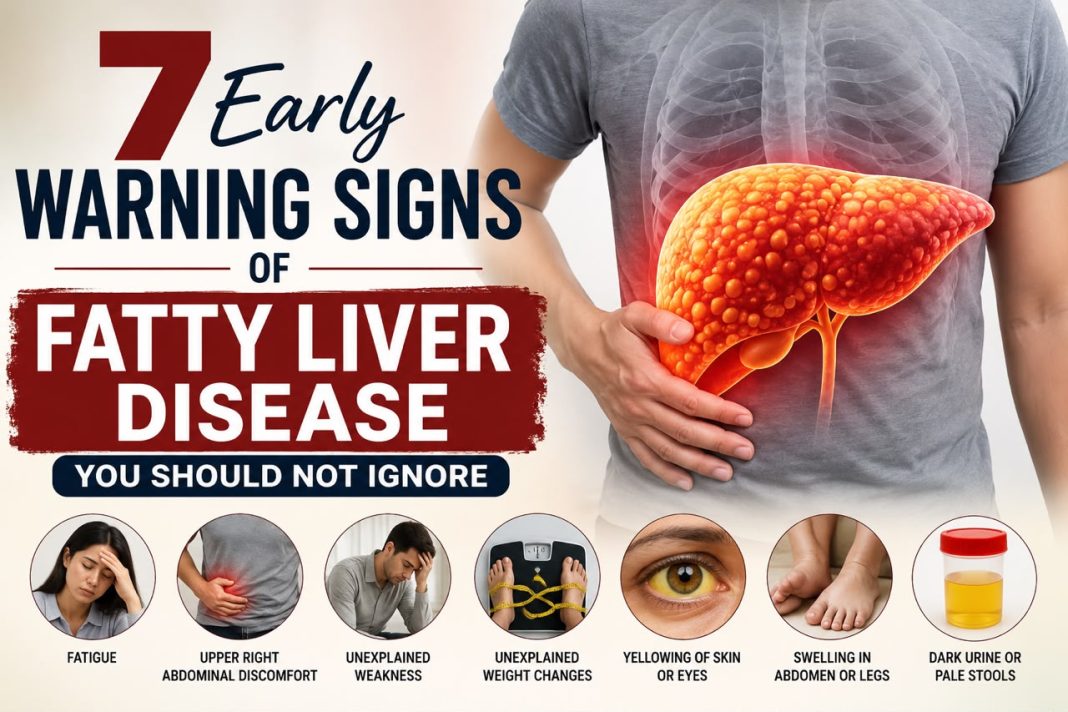
Early warning signs of fatty liver disease can be easy to overlook because many people have few or no noticeable symptoms in the early stages. However, recognizing possible symptoms and understanding your risk factors can help you seek medical evaluation early and protect your liver health. Fatty liver disease occurs when excess fat builds up in the liver. It can develop without obvious symptoms, especially in its early stages. This makes it important to understand the possible warning signs and know when to seek medical attention.
There are different types of fatty liver disease. Metabolic dysfunction-associated steatotic liver disease, formerly called nonalcoholic fatty liver disease, is commonly associated with conditions such as obesity, insulin resistance, type 2 diabetes, and abnormal cholesterol levels. Alcohol-associated liver disease can develop from excessive alcohol consumption.
Many people with fatty liver disease feel completely normal at first. However, some people may experience symptoms as the condition progresses.
What Are the Early Warning Signs of Fatty Liver Disease?
7 Early Warning Signs of Fatty Liver Disease
- Persistent Fatigue
- Discomfort in the Upper Right Abdomen
- Unexplained Weakness
- Unexplained Weight Changes
- Yellowing of the Skin or Eyes
- Swelling in the Abdomen or Legs
- Dark Urine or Pale Stools
What Causes the Early Warning Signs of Fatty Liver Disease?
Your liver performs several important functions, including processing nutrients, producing proteins, helping regulate blood sugar, and removing waste products from the blood.
When too much fat accumulates in the liver, inflammation and liver damage can develop in some people. Over time, untreated liver disease can progress to fibrosis, cirrhosis, or other serious complications.
Early detection gives you an opportunity to address the underlying causes and reduce the risk of progression.
7 Early Warning Signs of Fatty Liver Disease
- Persistent Fatigue
Feeling unusually tired or lacking energy can occur in people with fatty liver disease.
Fatigue is not specific to liver problems. Poor sleep, stress, anemia, infections, nutritional deficiencies, and many other conditions can cause similar symptoms.
If unexplained tiredness continues despite adequate rest, speak with a healthcare professional.
- Discomfort in the Upper Right Abdomen
Some people with fatty liver disease experience discomfort, pressure, or a dull ache in the upper right side of the abdomen, where the liver is located.
The discomfort may be mild and may come and go. It can also have many other causes, so abdominal discomfort alone cannot confirm fatty liver disease.
Persistent or worsening abdominal pain should be medically evaluated.
- Unexplained Weakness
Some people with liver disease report feeling generally weak or unwell.
This symptom can overlap with fatigue, but persistent weakness that does not have an obvious explanation deserves attention, particularly when it occurs alongside other symptoms.
- Unexplained Weight Changes
Unexpected changes in body weight can sometimes occur alongside metabolic conditions associated with fatty liver disease.
However, weight loss or weight gain has many possible causes. Do not assume that unexplained weight changes are caused by fatty liver disease.
If you experience significant or unintentional weight changes, discuss them with a healthcare professional.
- Yellowing of the Skin or Eyes
Yellow skin or yellowing of the whites of the eyes is called jaundice.
Jaundice can occur when the liver cannot properly process bilirubin. It is more commonly associated with advanced liver problems or other conditions rather than uncomplicated early fatty liver disease.
If you develop jaundice, seek medical evaluation promptly.
- Swelling in the Abdomen or Legs
Swelling in the abdomen or legs can occur with advanced liver disease.
A swollen abdomen can result from fluid accumulation called ascites. Swelling in the legs and ankles can also occur when liver function becomes significantly impaired.
These symptoms require medical assessment because they can have several serious causes.
- Dark Urine or Pale Stools
Changes in urine or stool color can sometimes occur when liver or bile flow is affected.
Dark urine and unusually pale stools may occur alongside jaundice and other signs of liver dysfunction.
These changes do not automatically mean you have fatty liver disease, but persistent changes should be evaluated by a healthcare professional.
Why Fatty Liver Disease Can Be Difficult to Detect
One of the biggest challenges with fatty liver disease is that it can remain silent for years.
A person may have excess liver fat without experiencing noticeable symptoms. Doctors may discover fatty liver during routine blood tests or imaging performed for another reason.
This is why symptoms alone are not enough to determine whether someone has fatty liver disease.
What Causes Fatty Liver Disease?
Fatty liver can develop for several reasons.
Common risk factors for metabolic dysfunction-associated steatotic liver disease include:
- Overweight or obesity
- Insulin resistance
- Type 2 diabetes
- High cholesterol or triglycerides
- High blood pressure
- Metabolic syndrome
- Low physical activity
- A diet high in added sugars and excess calories
Alcohol can also contribute to liver fat accumulation and liver damage.
How Is Fatty Liver Disease Diagnosed?
If you notice possible early warning signs of fatty liver disease, a healthcare professional can determine whether further testing is appropriate.
A healthcare professional may use several methods to evaluate possible fatty liver disease.
These can include:
- Medical history and physical examination
- Blood tests that assess liver enzymes and other markers
- Ultrasound or other imaging tests
- Specialized tests that assess liver stiffness or fibrosis
- Additional testing when another liver condition needs to be ruled out
A doctor may also evaluate blood sugar, cholesterol, blood pressure, weight, and other metabolic risk factors. Recognizing early warning signs of fatty liver disease can encourage earlier medical evaluation.
Can Fatty Liver Disease Be Reversed?
In many people, improving the underlying causes can reduce liver fat and help protect liver health.
Depending on your individual situation, a healthcare professional may recommend:
- Gradual weight loss if you are overweight
- Regular physical activity
- A balanced diet rich in vegetables, fruits, whole grains, legumes, and lean protein
- Limiting added sugars and highly processed foods
- Managing diabetes and cholesterol
- Avoiding excessive alcohol
- Taking prescribed medications as directed
- Depending on your individual situation, a healthcare professional may recommend gradual weight loss if you are overweight.
Avoid extreme diets or unproven liver detox products. Your liver already has natural processes for processing and removing substances from the body.
When Should You See a Doctor?
Make an appointment with a healthcare professional if you have persistent fatigue, unexplained abdominal discomfort, significant unexplained weight changes, or other symptoms that concern you.
Seek prompt medical attention if you develop jaundice, significant abdominal swelling, vomiting blood, black stools, confusion, or severe abdominal pain.
Fatty liver disease can be present without symptoms, so people with risk factors may also benefit from discussing liver health with their healthcare professional even when they feel well.
Frequently Asked Questions
Can you have fatty liver disease without symptoms?
Yes. Many people with fatty liver disease have few or no noticeable symptoms, particularly during the early stages.
Is fatty liver disease serious?
It can be. Simple liver fat does not always lead to serious disease, but some people develop inflammation and scarring that can progress to advanced liver disease.
Can fatty liver disease go away?
Liver fat can decrease when the underlying causes are addressed. Weight management, physical activity, dietary changes, and management of metabolic conditions can help improve liver health.
Does fatty liver always cause pain?
No. Many people with fatty liver disease do not experience liver-related pain. When discomfort occurs, it may be felt in the upper right abdomen.
Final Thoughts
Knowing the early warning signs of fatty liver disease can help you recognize when it is time to speak with a healthcare professional.
Fatty liver disease can develop quietly, which is why understanding potential warning signs and managing risk factors matters. Symptoms such as persistent fatigue, upper abdominal discomfort, unexplained weakness, jaundice, swelling, and changes in urine or stool color can have many causes and do not confirm fatty liver disease on their own.
For more reliable information about fatty liver disease, symptoms, diagnosis, and treatment, visit the National Institute of Diabetes and Digestive and Kidney Diseases (NIDDK). Its patient resources explain how fatty liver disease develops, common risk factors, how doctors diagnose the condition, and lifestyle changes that may help protect liver health.
If you have risk factors or persistent symptoms, speak with a healthcare professional. Early evaluation can help identify liver problems and guide appropriate treatment before complications develop.