
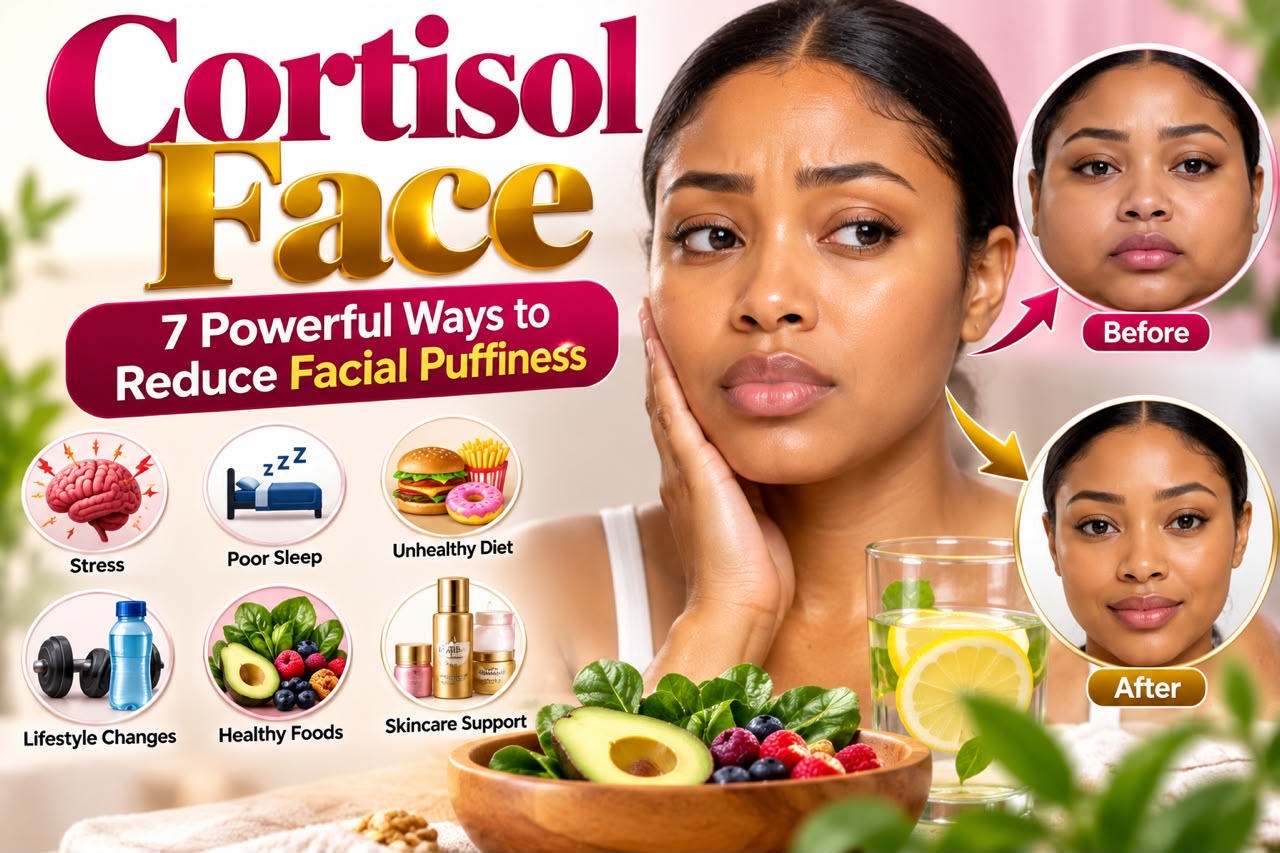
Have you ever looked in the mirror and noticed that your face appears fuller, puffier or more swollen than usual? You may have come across the term “cortisol face” on social media, where people often associate a round face with stress and high cortisol levels.
The term has become popular in beauty and wellness discussions. However, there is an important distinction between what social media claims and what medical evidence actually supports.
Cortisol is a hormone that helps the body respond to stress, regulate blood sugar, control inflammation and maintain blood pressure. Although certain medical conditions involving excess cortisol can change facial appearance, ordinary stress does not automatically cause a round or puffy face.
Understanding the possible causes of facial puffiness can help you choose the right skincare routine, make practical lifestyle changes and recognise when you may need medical attention.
What Is Cortisol Face?
“Cortisol face” is an informal term used to describe a face that appears swollen, rounder or fuller, supposedly because of elevated cortisol levels.
Cortisol is produced by the adrenal glands, which sit above the kidneys. Your body releases more cortisol in response to physical or psychological stress. The hormone follows a daily rhythm, with levels generally higher in the morning and lower around bedtime.
Cortisol is essential for normal body function. The problem arises when cortisol levels remain abnormally high because of certain medical conditions or prolonged exposure to corticosteroid medications.
One recognised medical condition associated with excess cortisol is Cushing syndrome. It can cause increased fat around the face and other parts of the body, alongside additional symptoms.
However, having a puffy face does not mean you have high cortisol. Facial fullness can result from several other causes, including fluid retention, allergies, poor sleep and changes in body weight.
what causes cortisol face and facial puffiness
Before trying to treat a puffy face, it is important to understand what might be causing it.
- Poor Sleep
Insufficient sleep can contribute to facial puffiness, particularly around the eyes. Changes in fluid distribution and the body’s normal overnight processes may make swelling more noticeable when you wake up.
If you regularly sleep for only a few hours, you may notice that your face looks tired or swollen in the morning.
What may help: Aim for seven to nine hours of sleep each night if you are an adult. Maintain a consistent bedtime and avoid habits that regularly interrupt your sleep.
- Eating Too Much Salt
High sodium intake can encourage the body to retain fluid. Depending on your individual response, this may contribute to temporary puffiness.
Common sources of sodium include processed foods, instant noodles, salty snacks, seasoning cubes and heavily salted meals.
What may help: Reduce excessive salt intake, eat a balanced diet and drink water regularly. You do not need to eliminate salt completely because your body requires sodium for normal function.
- Allergies and Sinus Problems
Allergic reactions can cause swelling around the eyes, cheeks and other parts of the face. You may also experience itching, sneezing, a runny nose or watery eyes.
Sinus inflammation can cause discomfort and a feeling of pressure around the cheeks, forehead and eyes.
What may help: Identify possible triggers and seek appropriate treatment from a healthcare professional if symptoms persist. Do not assume that allergy-related swelling is caused by cortisol.
- Stress and Hormonal Changes
Stress affects several systems in the body, including sleep, appetite and hormone regulation. These changes can influence how you feel and, indirectly, how your face looks.
However, there is insufficient evidence to conclude that everyday psychological stress directly causes a distinct condition called cortisol face.
Chronic stress may also affect eating habits and sleep quality. Over time, changes in body weight can alter facial fullness.
What may help: Use practical stress-management techniques, maintain regular physical activity and protect your sleep routine. These measures support general health, even though they are not guaranteed to change facial shape.
- Certain Medications
Corticosteroid medicines, including prednisolone when used for prolonged periods, can cause changes in fat distribution and facial appearance in some people.
These changes differ from ordinary temporary puffiness. They may develop alongside other effects of prolonged steroid exposure.
What may help: Speak with your prescribing clinician if you notice new facial changes while taking medication. Do not stop prescribed corticosteroids suddenly without medical guidance.
- Medical Conditions
Persistent facial swelling can sometimes indicate an underlying health problem. Possible causes include thyroid disorders, kidney disease and other conditions that affect fluid balance.
Cushing syndrome is another possible cause of a progressively rounder face, particularly when other characteristic symptoms occur.
If facial swelling persists, worsens or appears without an obvious explanation, arrange a medical assessment rather than attempting to treat it with skincare products alone.
How to Reduce Facial Puffiness Naturally
If your puffiness is mild and temporary, a few simple measures may help improve its appearance.
- Get Enough Sleep
Prioritise a consistent sleep schedule. Adults generally need at least seven hours of sleep per night, and many do best with seven to nine hours.
Try going to bed and waking up at similar times each day. Reduce late-night screen use if it interferes with your ability to fall asleep.
Better sleep supports overall health and may help reduce the tired, puffy appearance that accompanies insufficient rest.
- Reduce Excess Sodium
Review your eating habits and look for foods that contain excessive amounts of salt.
You can still enjoy Nigerian meals while making sensible adjustments. For example, measure seasoning cubes rather than adding them automatically, and limit heavily salted processed foods.
Avoid extreme dietary restrictions. A balanced eating pattern is more sustainable and healthier than trying to eliminate entire food groups.
- Stay Hydrated
Drink water regularly throughout the day. Your fluid needs depend on factors such as your activity level, climate and health.
Dehydration is not a reliable treatment strategy for facial puffiness, and deliberately restricting water can be harmful.
If a healthcare professional has instructed you to limit fluids because of a medical condition, follow that advice.
- Try a Cool Compress
A clean, cool compress placed gently over closed eyes for a few minutes may temporarily reduce mild under-eye puffiness.
Avoid placing ice directly on your skin, especially if you have sensitive skin or a compromised skin barrier.
A cool compress can help with temporary swelling, but it does not lower cortisol or treat an underlying medical condition.
- Maintain Regular Physical Activity
Walking, cycling, swimming and other forms of regular movement support cardiovascular health, sleep and stress management.
Choose an activity that suits your fitness level and aim for consistency rather than excessive exercise.
Physical activity can support healthy weight management, but it cannot selectively remove fat from your cheeks or change your facial structure.
- Elevate Your Head Slightly During Sleep
If you frequently wake up with mild facial puffiness, sleeping with your head slightly elevated may help reduce fluid accumulation around the face in some cases.
Use a comfortable pillow arrangement that supports your neck. If the swelling continues despite these measures, investigate the underlying cause.
Can Skincare Products Get Rid of Cortisol Face?
Skincare products can improve the condition and appearance of your skin, but they cannot correct excess cortisol or treat medical causes of facial swelling.
This distinction matters because many products promoted online promise to eliminate cortisol face without reliable evidence.
For a skincare routine that supports healthy-looking skin, consider the following.
Gentle cleanser: Choose a cleanser suited to your skin type. Avoid harsh scrubbing, which can irritate the skin.
Moisturiser: Use a moisturiser that supports your skin barrier and helps prevent dryness.
Sunscreen: Apply broad-spectrum sunscreen with SPF 30 or higher during the day to protect against ultraviolet damage.
Caffeine eye products: Some eye products containing caffeine may temporarily improve the appearance of under-eye puffiness. Results vary, and these products do not treat the underlying cause.
Avoid using multiple strong active ingredients simply because an influencer recommends them. Introduce new products gradually, especially if your skin is sensitive.
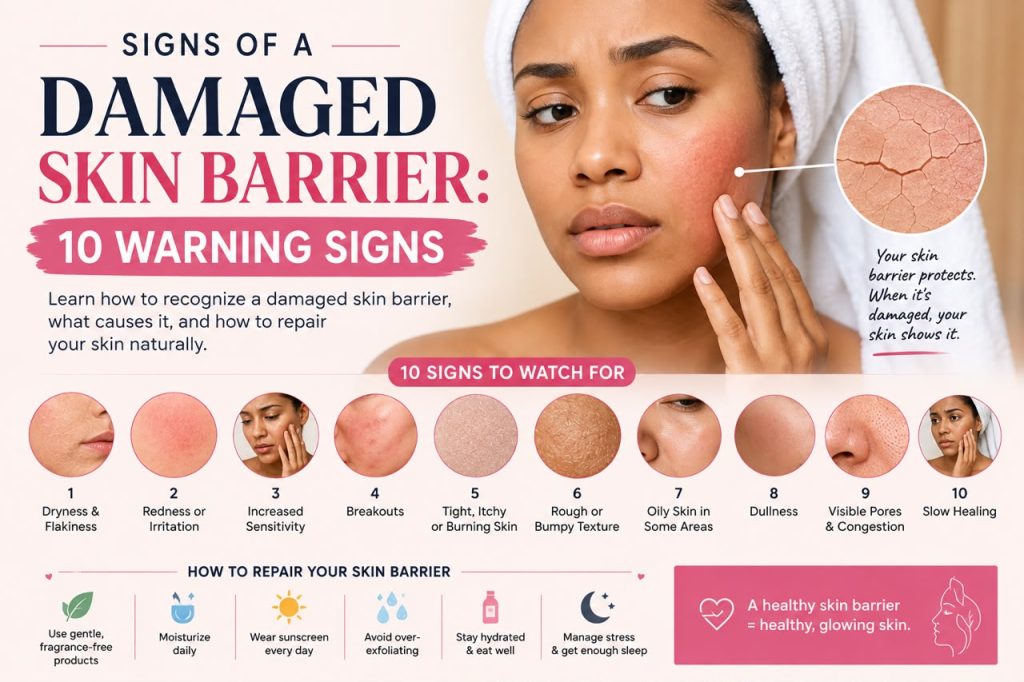
Maintaining healthy skin requires a gentle skincare routine and products that support your skin barrier. If your skin feels dry, irritated or sensitive, learn how to repair a damaged skin barrier naturally.
Do Cortisol-Lowering Supplements Work?
Products marketed as cortisol blockers or cortisol-lowering supplements are frequently promoted as solutions for facial puffiness, weight gain and stress.
However, there is no good evidence that these supplements reliably treat a condition called cortisol face in otherwise healthy people.
Some supplements may interact with prescription medicines, cause side effects or contain ingredients that are unsuitable for certain individuals.
You should not take a supplement simply because you suspect that your cortisol is high. If you have symptoms that suggest a hormonal disorder, a healthcare professional can determine whether testing is appropriate.
Similarly, detox teas, extreme fasting and dehydration methods are not proven treatments for cortisol face and may create additional health risks.
What Are the Symptoms of High Cortisol?
Temporary facial puffiness alone is not a reliable sign of elevated cortisol.
When cortisol remains excessively high because of Cushing syndrome, symptoms may include:
- Progressive weight gain, particularly around the abdomen and upper body.
- A rounder, fuller face.
- Increased fat around the upper back or base of the neck.
- Wide, purple stretch marks, particularly on the abdomen.
- Skin that bruises easily.
- Muscle weakness, especially in the upper arms and thighs.
- High blood pressure or high blood sugar.
- Menstrual irregularities in some women.
Not everyone experiences all these symptoms. Other health conditions can also produce similar changes.
If you develop several of these symptoms, particularly while taking corticosteroid medication, arrange a medical assessment. A clinician can review your medical history and decide whether cortisol testing is necessary.
Do not attempt to diagnose a hormonal disorder using facial appearance, social media checklists or a single home test.
When Should You See a Doctor About Facial Swelling?
Occasional mild puffiness that resolves on its own is often less concerning than swelling that persists or repeatedly returns.
Seek medical advice if your face remains swollen, the swelling is getting worse, or you experience other unexplained symptoms.
Seek emergency medical care immediately if facial swelling develops suddenly with difficulty breathing, difficulty swallowing, or swelling of the tongue or throat. These can be signs of a severe allergic reaction.
According to the NHS guide to Cushing’s syndrome, prolonged exposure to excessive cortisol can cause symptoms such as a rounder face, weight gain, muscle weakness and skin changes. However, facial puffiness alone does not confirm high cortisol. If you notice several persistent symptoms, consult a healthcare professional for proper assessment.
Do not delay medical assessment to try a new skincare product or home remedy.
Frequently Asked Questions About Cortisol Face
Does stress cause cortisol face?
Ordinary stress can affect sleep, eating habits and general health, but there is insufficient evidence that everyday stress directly causes a distinct condition called cortisol face. Persistent excess cortisol from certain medical conditions can change facial appearance.
How long does cortisol face take to go away?
There is no single recovery timeline because cortisol face is not a formal medical diagnosis. Temporary puffiness may improve within hours or days, depending on its cause. Changes associated with Cushing syndrome or prolonged corticosteroid use may take longer and require medical management.
Can drinking more water reduce facial puffiness?
Maintaining adequate hydration supports normal body function. It may help if you are dehydrated, but drinking excessive amounts of water will not necessarily reduce facial swelling. Persistent swelling requires assessment of the underlying cause.
Can facial massage remove cortisol face?
Gentle facial massage may temporarily change the appearance of mild puffiness for some people, but there is insufficient evidence that it lowers cortisol or permanently changes facial fat distribution.
Avoid aggressive massage, particularly when swelling is painful, unexplained or associated with an underlying medical condition.
Is cortisol face the same as Cushing syndrome?
No. Cortisol face is an informal social media term. Cushing syndrome is a recognised medical condition involving prolonged exposure to excessive cortisol or similar corticosteroid effects. A round face alone does not establish the diagnosis.
Can a skincare routine reduce facial swelling?
A suitable skincare routine can improve skin hydration and appearance, but it cannot treat every cause of swelling. Allergies, medication effects and hormonal or organ-related conditions may require specific medical treatment.
Final Thoughts
Cortisol face has become a popular skincare and wellness topic, but facial puffiness does not automatically mean that your cortisol levels are too high.
Poor sleep, excessive sodium intake, allergies, medication effects and certain medical conditions can all contribute to changes in facial appearance.
Start by reviewing your sleep, diet and daily habits if the puffiness is mild and temporary. Use gentle skincare products, maintain adequate hydration and avoid supplements or detox treatments that promise unproven results.
If the swelling persists, progresses or occurs alongside other unexplained symptoms, seek medical advice to identify the cause.
Healthy skin begins with understanding what your body needs. Rather than treating every facial change as a hormonal problem, focus on evidence-based skincare, sustainable habits and appropriate medical care when necessary.
Medical information disclaimer: This article is for educational purposes and does not replace individual medical advice, diagnosis or treatment.