

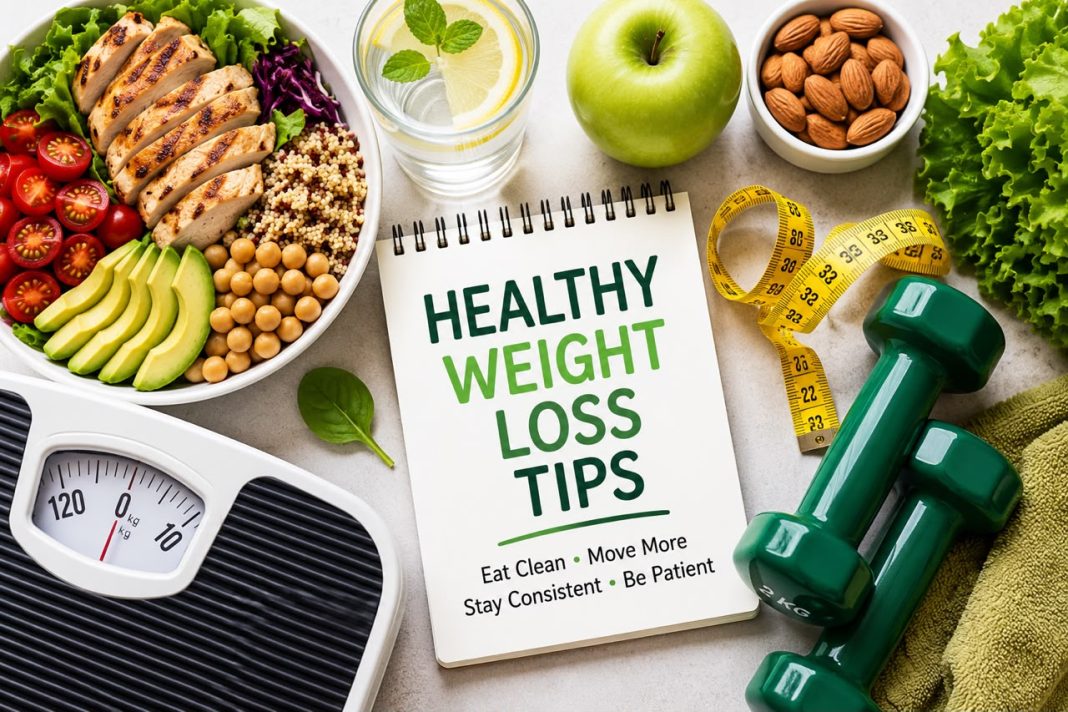
Healthy Weight Loss Tips can help you lose weight safely, improve your overall health, and maintain lasting results. Instead of relying on crash diets or quick fixes, following healthy eating habits, regular exercise, and sustainable lifestyle changes is the best way to achieve and maintain a healthy weight. In this guide, you’ll discover practical healthy weight loss tips that are easy to follow and supported by healthy living principles. Healthy weight loss is just one part of overall wellness. If you’re experiencing persistent fatigue, reduced energy, or difficulty maintaining a healthy weight, hormonal changes may also play a role. Read our 10 Healthy Signs of Low Testosterone Every Man Should Know to understand how hormone health can affect your body and overall well-being. Losing weight is not about starving yourself or following extreme diets. Healthy weight loss comes from making consistent lifestyle changes that you can maintain over time. A balanced diet, regular physical activity, quality sleep, and good hydration all play an important role in achieving and maintaining a healthy weight.
If you want long term results, these healthy weight loss tips can help you lose weight safely while improving your overall health.
What Is Healthy Weight Loss?
Healthy weight loss means losing body fat gradually while preserving muscle mass and supporting your overall well being. Most health experts recommend losing about 0.5 to 1 kilogram per week through healthy eating and regular exercise.
Healthy Weight Loss Tips That Really Work
Following these healthy weight loss tips consistently will produce better long-term results than crash diets.
15 Healthy Weight Loss Tips
- Eat More Protein
Protein helps you feel full for longer and supports muscle maintenance during weight loss. Include foods such as eggs, chicken, fish, beans, Greek yogurt, and lean meat in your meals.
- Drink More Water
Drinking water before meals may help reduce calorie intake and keep your body hydrated. Replace sugary drinks with water whenever possible.
- Fill Half Your Plate with Vegetables
Vegetables are rich in vitamins, minerals, and fiber while being naturally low in calories. They help you stay satisfied without overeating.
- Choose Whole Grains
Replace refined carbohydrates with whole grains such as oats, brown rice, and whole wheat products to improve digestion and provide lasting energy.
- Avoid Sugary Drinks
Soft drinks, sweetened juices, and energy drinks contain large amounts of added sugar that can contribute to weight gain.
- Control Portion Sizes
Eating healthy foods in excessive amounts can still lead to weight gain. Use smaller plates and pay attention to serving sizes.
- Exercise Regularly
Aim for at least 150 minutes of moderate physical activity each week. Walking, cycling, swimming, and strength training all support healthy weight loss.
- Get Enough Sleep
Poor sleep can affect hunger hormones and increase cravings for unhealthy foods. Adults should aim for seven to nine hours of sleep each night.
- Eat Mindfully
Slow down during meals and avoid distractions like television or smartphones. Mindful eating helps you recognize when you are full.
- Limit Processed Foods
Highly processed foods are often high in sugar, unhealthy fats, and calories. Choose fresh, whole foods whenever possible.
- Eat Healthy Snacks
Choose nutritious snacks such as fruit, nuts, yogurt, or vegetables instead of chips and sugary treats.
- Reduce Stress
Long term stress can increase cortisol levels, which may contribute to overeating. Exercise, meditation, and deep breathing can help manage stress.
- Plan Your Meals
Meal planning helps reduce unhealthy food choices and prevents last minute fast food purchases.
- Stay Consistent
Healthy habits practiced daily produce better results than strict diets that are difficult to maintain.
- Track Your Progress
Keep a journal or use a mobile app to monitor your meals, exercise, and weight changes. Tracking progress can improve motivation.
Foods That Support Healthy Weight Loss
Include these foods in your diet:
- Leafy green vegetables
- Eggs
- Lean chicken
- Fish
- Beans and lentils
- Greek yogurt
- Apples
- Berries
- Oats
- Brown rice
- Avocados
- Nuts
Foods to Limit
Reduce your intake of:
- Sugary drinks
- Candy and sweets
- Fried foods
- Fast food
- Processed snacks
- Excessive alcohol
Common Weight Loss Mistakes
Avoid these common mistakes :Combining regular physical activity with these healthy weight loss tips can help you maintain a healthy weight over time.
- Skipping meals
- Following crash diets
- Ignoring portion sizes
- Drinking sugary beverages
- Not exercising regularly
- Expecting immediate results
One of the most effective healthy weight loss tips is to focus on eating whole, nutrient-rich foods instead of highly processed meals
The World Health Organization (WHO) emphasizes healthy eating and physical activity to reduce the risk of overweight and obesity, The Mayo Clinic recommends focusing on long term lifestyle changes rather than quick fix diets.
The Centers for Disease Control and Prevention (CDC) recommends healthy eating and regular physical activity for safe, sustainable weight management
The National Institutes of Health (NIH) provides evidence based guidance on achieving and maintaining a healthy weight .Healthy weight loss is just one part of overall wellness. If you’re experiencing persistent fatigue, reduced energy, or difficulty maintaining a healthy weight, hormonal changes may also play a role. Read our 10 Healthy Signs of Low Testosterone Every Man Should Know to understand how hormone health can affect your body and overall well-being.
Final Thoughts
By applying these healthy weight loss tips every day, you can achieve sustainable weight loss and build healthier lifestyle habits for the future. Healthy weight loss tips focus on building sustainable habits rather than quick fixes. Eating nutritious foods, staying physically active, sleeping well, and managing stress can help you reach your weight goals safely. Small, consistent changes often lead to lasting success and better overall health.
Frequently Asked Questions
What is the healthiest way to lose weight?
The healthiest approach combines a balanced diet, regular physical activity, adequate sleep, hydration, and long term lifestyle changes.
How much weight can I lose safely?
Most experts recommend losing about 0.5 to 1 kilogram per week through healthy eating and exercise.
Which foods help with weight loss?
High protein foods, vegetables, fruits, whole grains, beans, fish, and healthy fats can support healthy weight management.
Can I lose weight without exercising?
Yes, diet plays a major role in weight loss. However, combining healthy eating with regular exercise produces better long term results and supports overall health.